
West Africa Regional Hub Workshop Advancing Operational Readiness
The Regional Hub Technical Work Planning Workshop held between February 23-27 in Ibadan, Nigeria, brought together partners to refresh strategy, strengthen coordination, and formalize cooperation with the Soil Values Program.
APNI was represented at the workshop by Dr. Canon Savala (Hub Activities Coordinator for APNI), Dr. Kwame Frimpong (Hub Focal Point – Ghana), and Dr. Kokou Adambounou Amouzou (Hub Focal Point – Côte d’Ivoire). APNI’s participation within the Hub is implementation-focused, particularly in relation to its leadership of farmer-led experimentation (OFE) and professional extension certification, both of which are central to strengthening national agronomic advisory systems. Throughout the workshop, APNI positioned these functions as practical entry points for building evidence-based nutrient management systems and improving the quality and accountability of fertilizer and soil health advisory services.
Discussions were structured to move from broad conceptual framing toward clear scope definition, agreed deliverables, and practical steps for operationalization. Dr. Savala guided the defining of boundaries to identify existing initiatives to leverage, clarify institutional roles, and outline phased implementation roadmaps. The APNI team contributed to discussions on Hub data infrastructure and a soil health dashboard. Dr. Savala highlighted ministries, researchers, academia, donors, private sector actors, and advisory services as key users of the Hub’s data systems and stressed that extension advisors serve as the critical link between digital tools and farmers. Discussions also centered around the framing of the extension certification initiative.
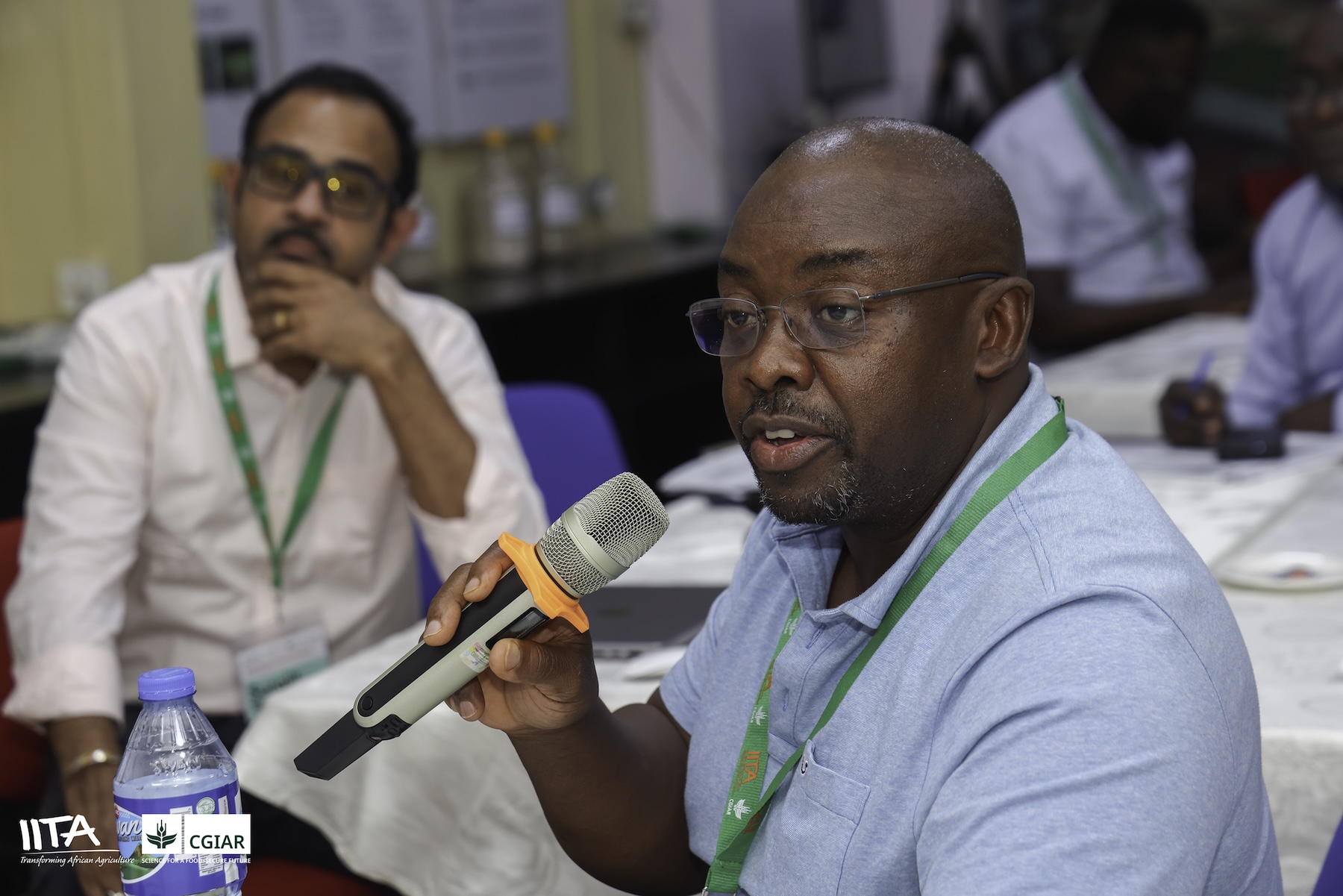
Dr. Canon Savala, APNI Senior Scientist
“Our team emphasized that training and knowledge competence development must precede certification. Certification should be country-specific, demand-driven, and institutionally hosted within national systems, rather than imposed as a uniform regional model.– Dr. Canon Savala, APNI Senior Scientist.
This repositioning helped align the program with national realities in Ghana, Liberia, and other potential countries, and ensured that the Hub’s communication reflects a training-first approach. Drawing from Ghana’s experience, Dr. Savala provided practical insights into the national demand for professional advisory certification and the institutional processes already underway and emphasized that the initiative must respond to real field-level challenges faced by farmers and advisory systems. Dr. Amouzou and Dr. Frimpong presented the progress of the Hub actions in APNI’s focal points, Ghana and Cote d’Ivoire.
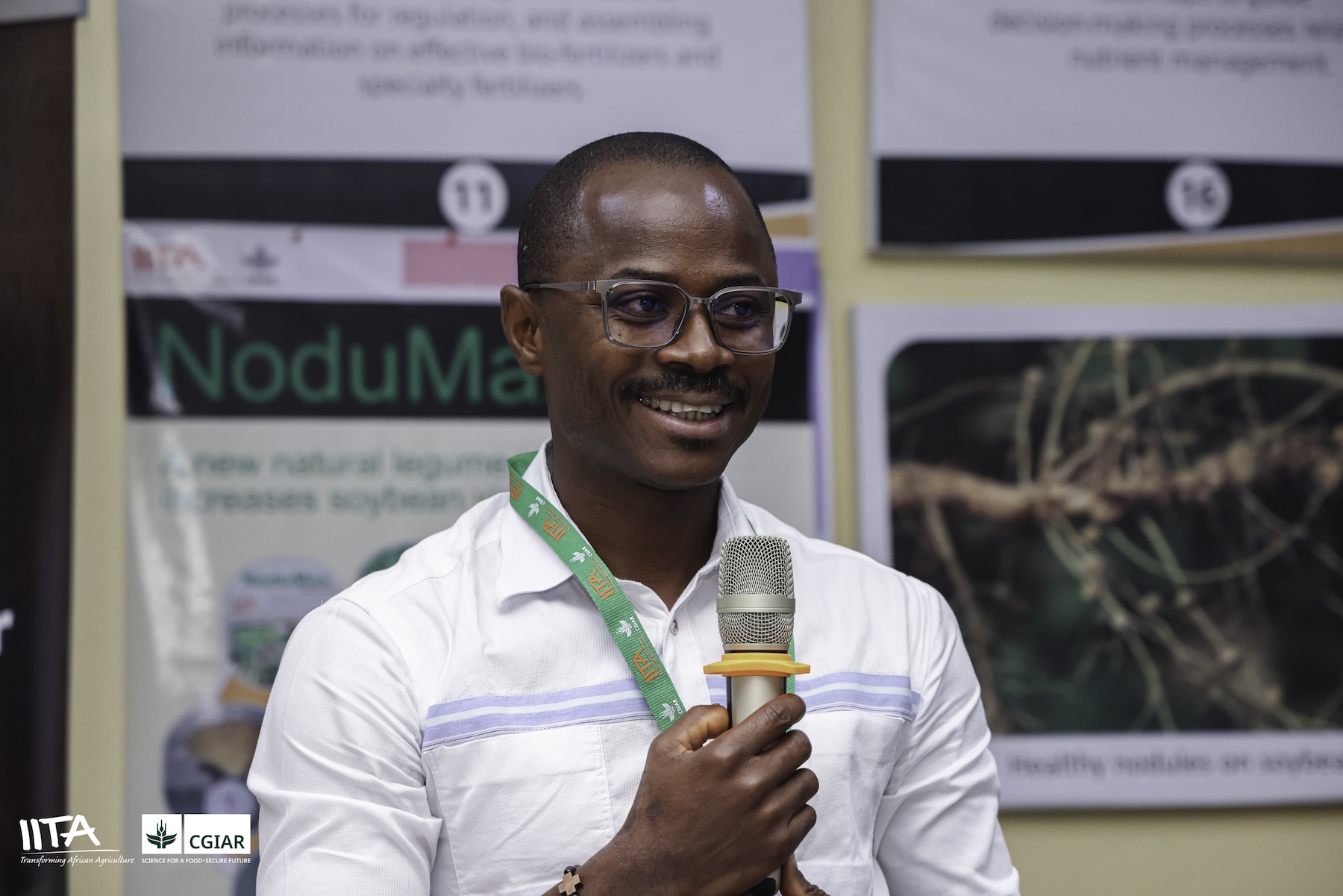
Dr. Amouzou, APNI Scientist & Regional Coordinator
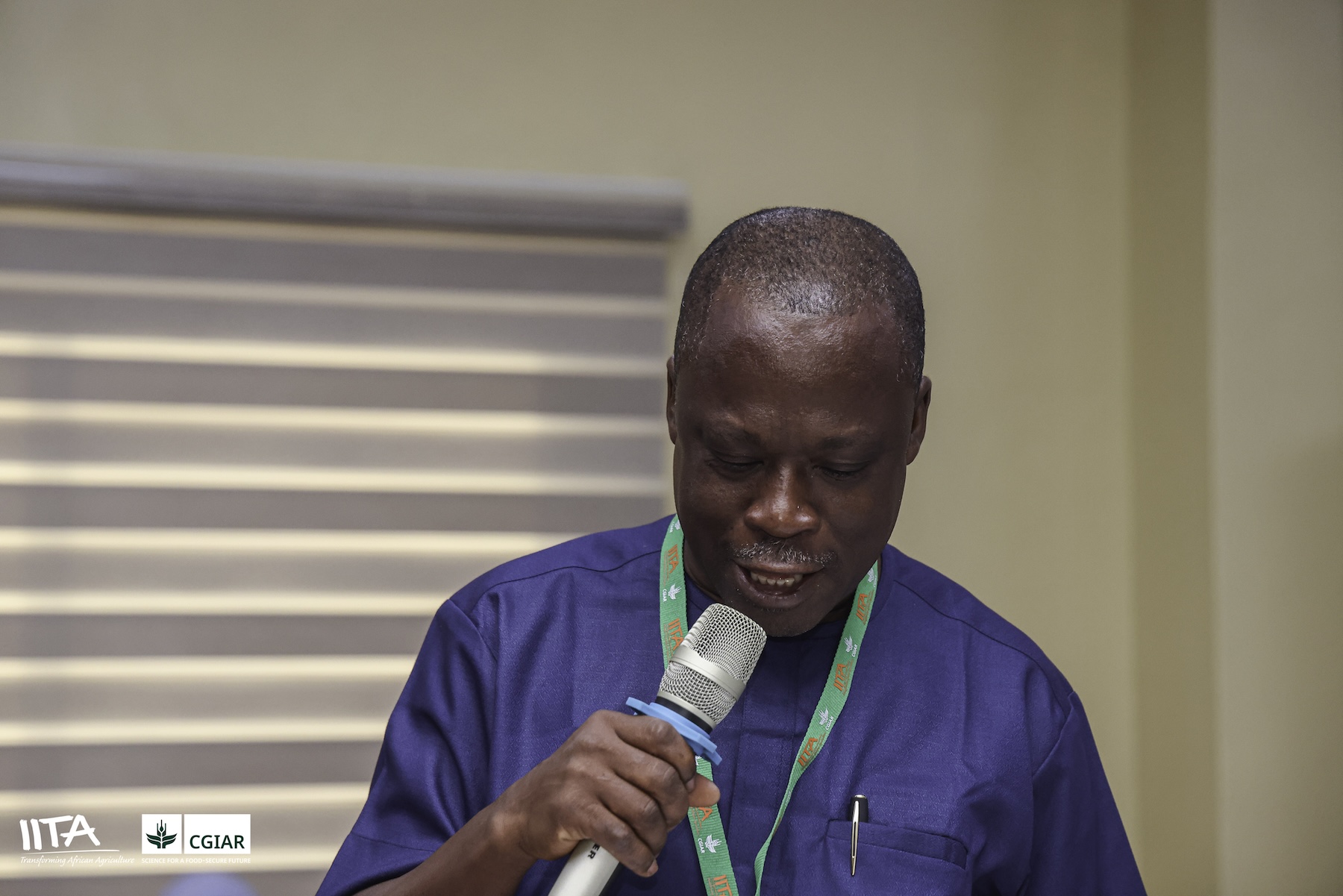
Dr. Frimpong, APNI Senior Scientist
Key Outcomes for APNI
- Refined narrative for positioning training and knowledge competence as the primary entry point before certification.
- Strengthened country-specific alignment in Ghana and Côte d’Ivoire.
- Reinforced positioning of APNI as a lead partner in farmer-led experimentation and advisory capacity development and certification.
The workshop advanced the operational readiness of key Hub functions and consolidated APNI’s leadership role in strengthening fertilizer and soil health advisory systems across West Africa and the Sahel.
More about APNI and the Regional Hub
APNI is a consortium partner in the Regional Hub for Fertilizer and Soil Health for West Africa and the Sahel, providing scientific leadership in plant nutrition and soil fertility management. Under the Hub, APNI leads technical support and country engagement in Ghana and Côte d’Ivoire, strengthening evidence-based nutrient recommendations, soil testing, and agricultural advisory capacity development. APNI’s role supports improved fertilizer efficiency, crop nutrition, and sustainable productivity for farming systems in the region. The Hub is supported by the World Bank through CGIAR’s Accelerating the Impacts of CGIAR Climate Research for Africa (AICCRA) project and OCP Africa.
More information about the Hub’s activities at https://soilhealthwa.iita.org