How On-Farm Experimentation is Transforming Agricultural Research in Kenya
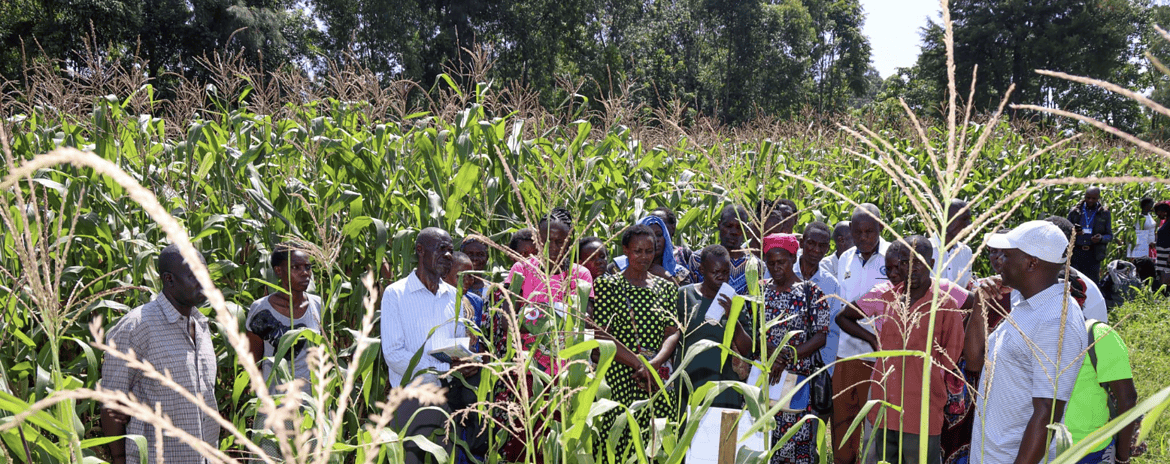
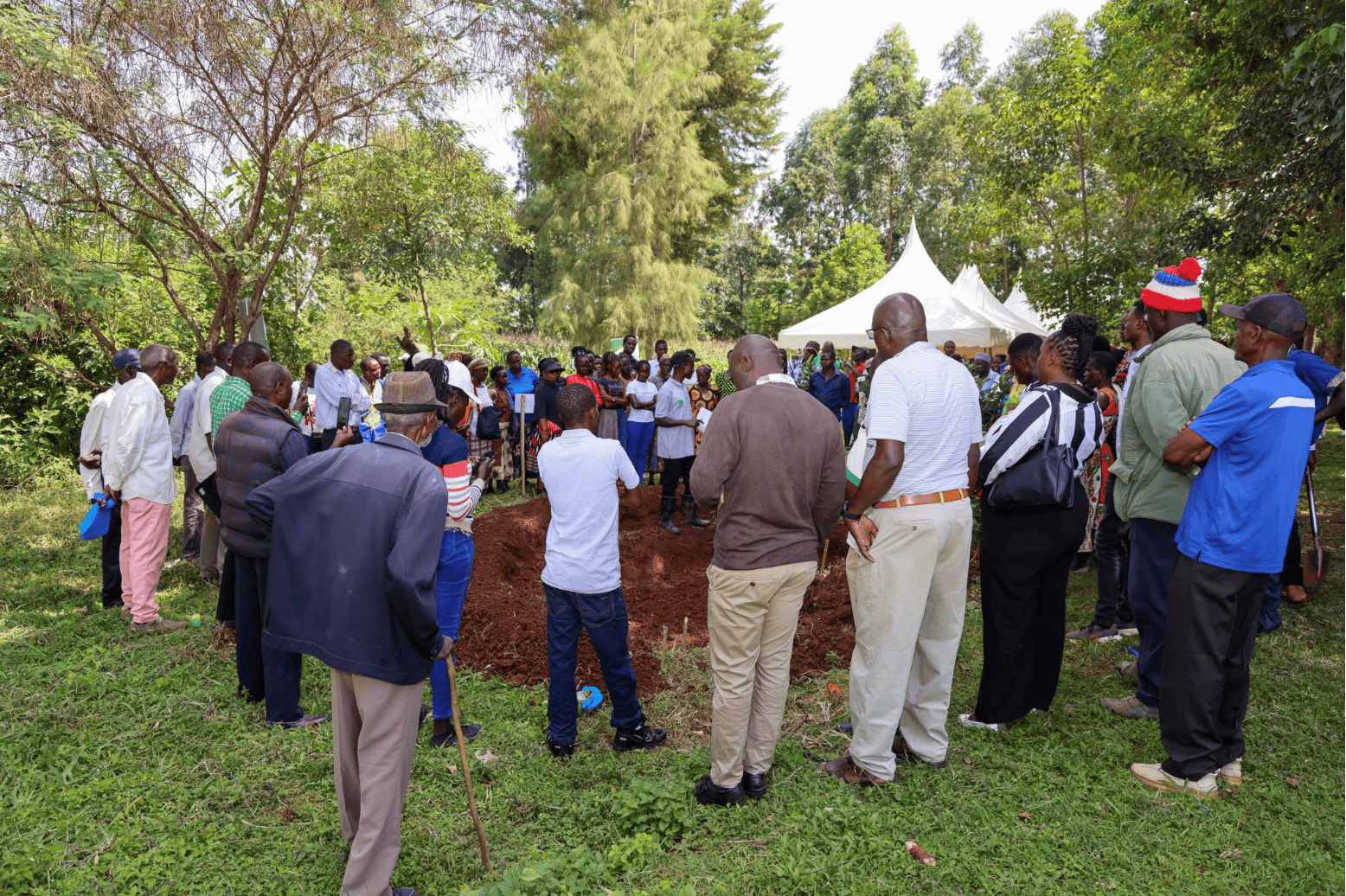
When more than 250 farmers, researchers, development partners, and local stakeholders gathered in Central Gem, Siaya County, Kenya, for the OFE Field Day hosted by KOBAT Community-Based Organization (CBO), they came to witness more than a crop demonstration. They experienced a different way of doing agricultural research, one where farmers are not simply recipients of recommendations but active partners in generating solutions.
The field day showcased the practical implementation of the African Plant Nutrition Institute’s (APNI) On-Farm Experimentation (OFE) project, an initiative that seeks to transform crop nutrition research by placing farmers at the heart of innovation. Rather than testing technologies solely under controlled research station conditions, OFE enables experiments to be conducted on farmers’ own fields, under real farming conditions, where local realities, challenges, and opportunities shape the learning process.
One of the most compelling moments during the event was the side-by-side comparison between APNI’s optimized nutrient management plots and plots managed using farmers’ conventional practices. The differences in crop performance were evident, allowing farmers to directly observe the influence of improved nutrient management and agronomic practices.
However, the visible differences in the field represented only part of the story.
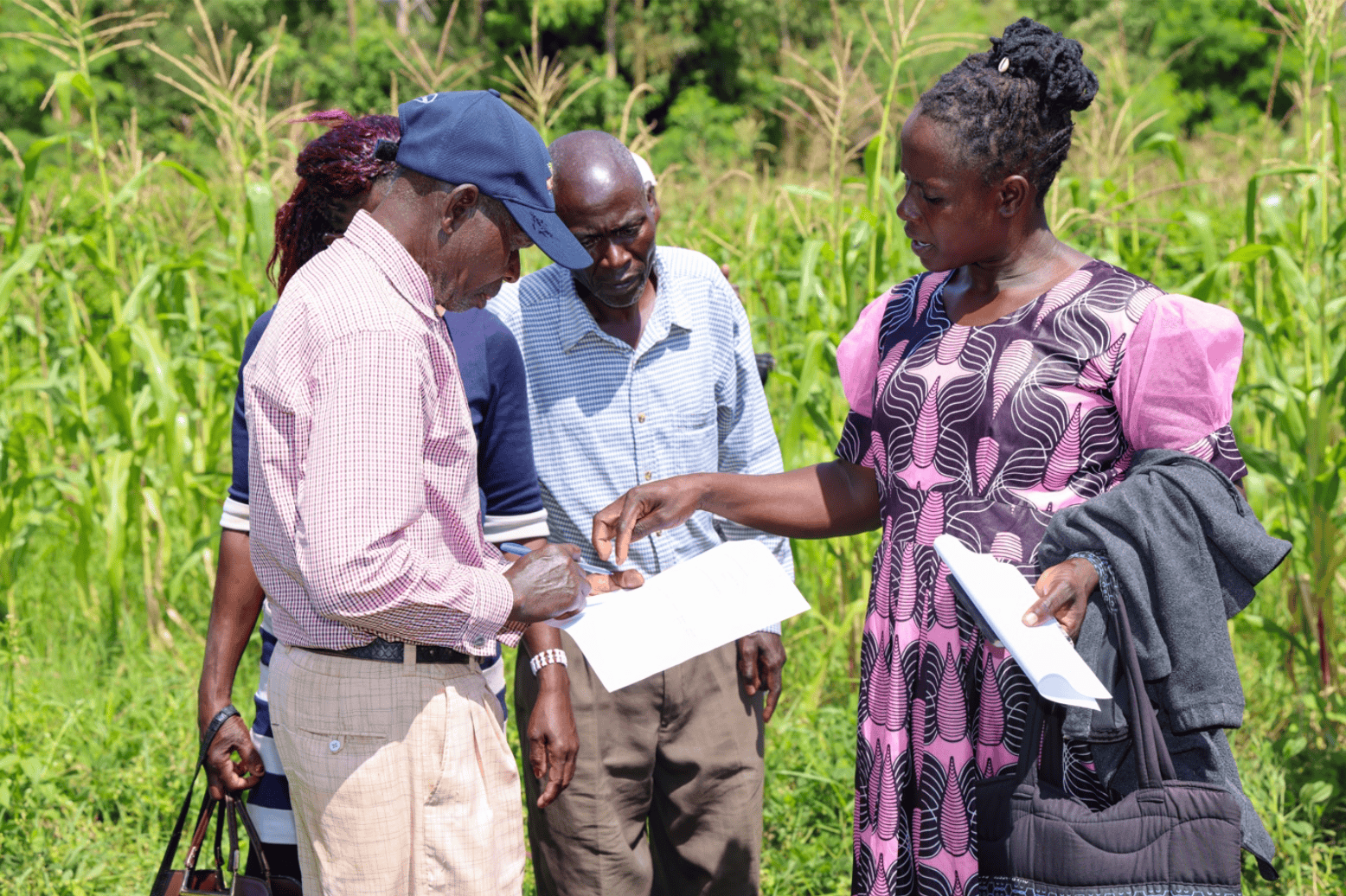
The true value of OFE lies in the co-learning process behind every trial. Farmers participate in identifying production challenges, designing experiments, managing trial plots, collecting observations, interpreting results, and discussing how findings can be adapted to their own farming systems. This collaborative approach ensures that solutions are practical, locally relevant, and more likely to be adopted.
OFE was established to address a long-standing limitation in agricultural development. For decades, many agricultural technologies have been developed through top-down approaches that often overlook the diverse socio-economic and agroecological realities faced by smallholder farmers. While scientifically sound, these technologies have often struggled to achieve widespread adoption because they do not always align with farmers’ priorities or operating environments.
The OFE 2.0 project seeks to change this paradigm by promoting farmer-centered, evidence-driven innovation. By using data-driven co-development, contextualized agronomy, and scalable learning systems, the project helps farmers, researchers, extension providers, and other value-chain actors work together to generate knowledge that improves productivity and strengthens agricultural innovation systems.
Beyond improving crop performance, the project is building stronger relationships between science and farming communities. Farmers become contributors to research, researchers gain deeper insights into real-world farming systems, and development partners obtain reliable evidence for designing interventions that respond to local needs.
Field days such as the one held in Central Gem play a critical role in this process. They provide a platform for peer-to-peer learning, encourage dialogue among stakeholders, validate research findings under real farming conditions, and create opportunities for farmers to exchange experiences and identify practices that can improve productivity and resilience.
As OFE 2.0 progresses, the lessons generated in Kenya will contribute to the development of a sustainable and scalable service model that can be adapted across different cropping systems and countries in Africa. The project envisions farmer-led research networks that continuously generate locally relevant knowledge, strengthen innovation systems, and support sustainable crop nutrition management for years to come.
The successful field day in Siaya County demonstrated that agricultural transformation is most effective when farmers are recognized not merely as beneficiaries of innovation but as innovators themselves. By combining scientific expertise with farmers’ knowledge and experience, on-farm experimentation is helping create practical solutions that improve productivity, strengthen resilience, and contribute to more sustainable food systems across Africa.
The enthusiasm, curiosity, and active participation displayed by farmers throughout the event reaffirmed a simple but powerful message:
Meaningful agricultural innovation begins in farmers’ fields, grows through collaboration, and delivers lasting impact when farmers become co-creators of knowledge rather than passive recipients of technology.