
Insights from On-farm Experimentation (OFE 2.0) Post-Harvest Dialogues
A farming season is measured not only by what is harvested, but also by what is learned along the way. For APNI, this principle has shaped the implementation of the On-farm experiment (OFE)-mediated Nutrient-Catalyzed Agricultural Transformation for Africa (OFE 2.0) initiative in Kenya.
Implemented in Siaya, Kakamega, Embu, Meru and Machakos counties, OFE 2.0 places farmers at the centre of experimentation and learning. The initiative supports a network of more than 200 farmers engaged in farmer-led on-farm experimentation, with the broader objective of developing context-specific, data-driven approaches to crop nutrition and building a model that can be adapted and scaled.
Between August and September 2026, APNI conducted post-harvest dialogues (PHDs) across the five OFE counties, bringing the farmers back together with scientists, government representatives, extension actors, private-sector organizations, financial institutions and other agricultural stakeholders.
The dialogues reviewed farmers’ experiences from the 2025 short-rain season and 2026 long-rain season, building on the initial farmer engagement that preceded the experiments. Importantly, the discussions were supported by agronomic and socio-economic analysis of data collected from the farmers’ fields, allowing the integration of farmer experience and scientific evidence. This enabled the identification of suitable entry points for effective nutrient management at farm and landscape scale.
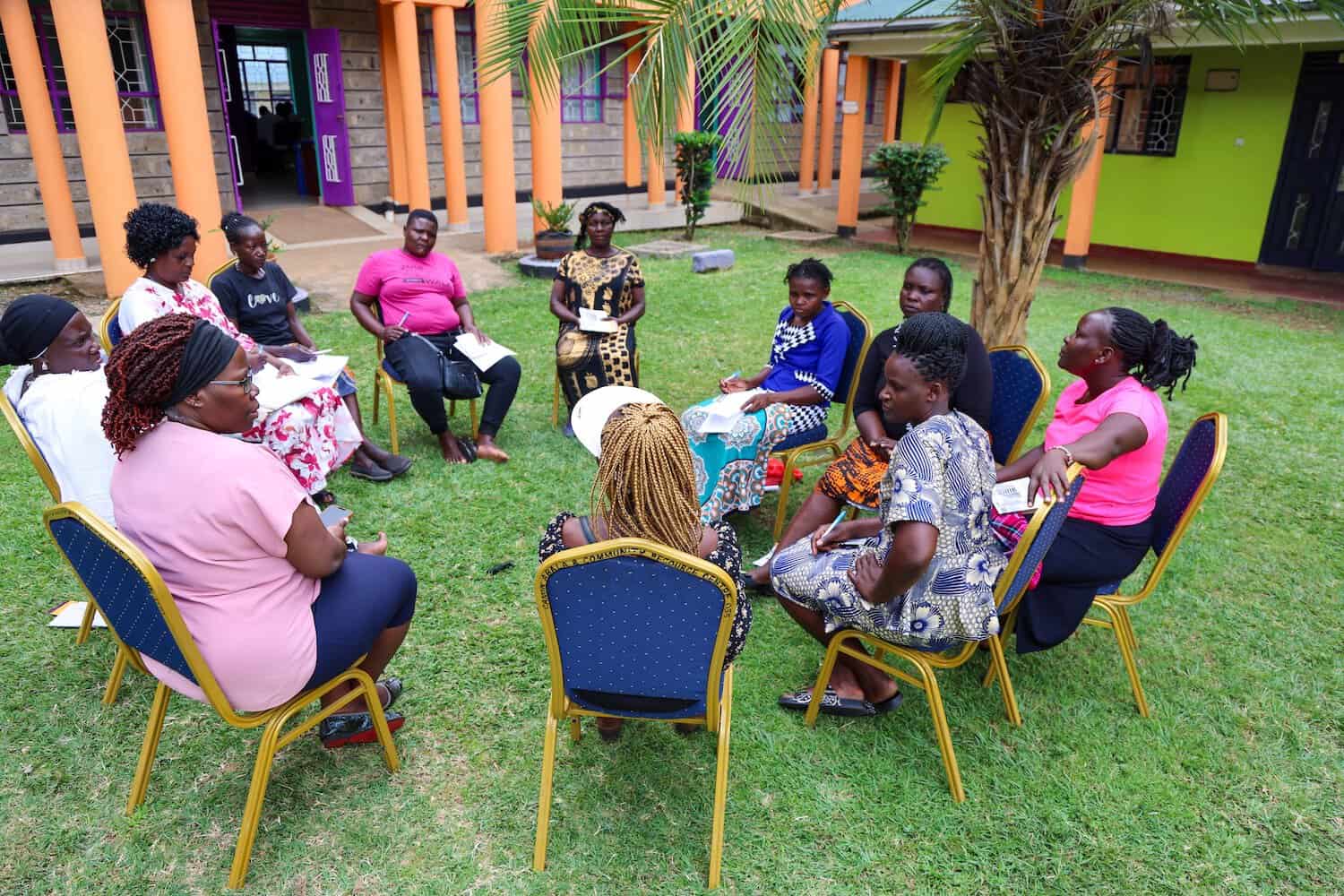 The PHDs have therefore been much more than end-of-season meetings. They have served as a point of convergence for everything that happened during the farming cycle.
A central part of the dialogues has been reflection on the OFE experience itself. Farmers discussed the changes they made to their management practices, how they experimented with different agricultural technologies, the challenges they encountered and the factors that influenced their results. Focus group discussions and feedback sessions gave farmers space to explain their experiences in their own terms, while APNI scientists brought the emerging agronomic and socio-economic evidence into the conversation. The intended outcome was not simply to document what farmers had done, but to develop updated management plans for the forthcoming season based on the lessons learned.
The conversations also moved beyond the crop itself.
Across the PHDs, farmers explored practical issues that determine whether improved production can translate into a stronger farm business. Farm record keeping and profitability, gross-margin analysis, entrepreneurship, access to finance, market linkages and crop-management challenges formed an important part of the discussions. In other words, the dialogues asked not only what happened in the field, but also what it cost, what the farmer gained, what opportunities exist, and what support is needed to do better.
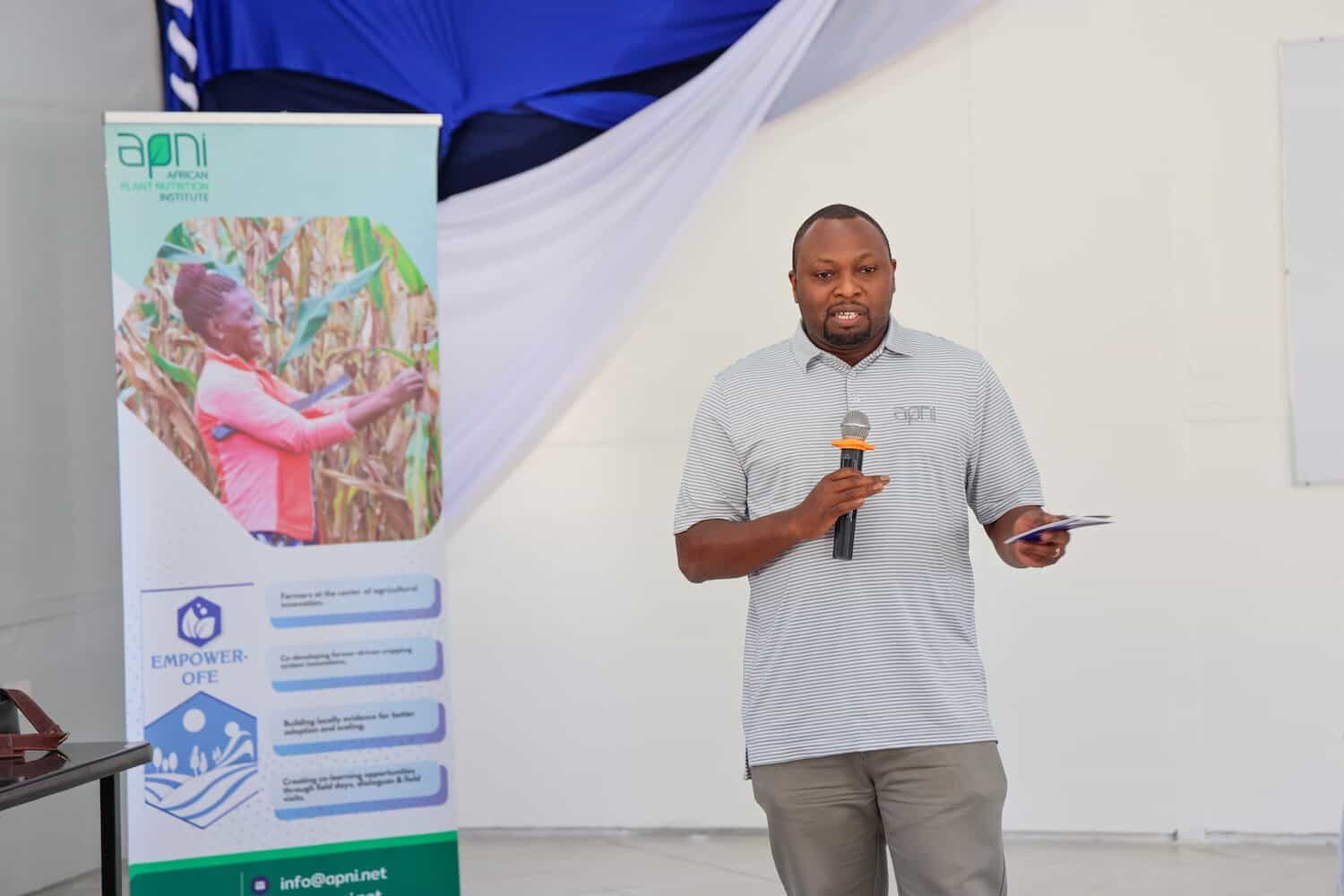
This broader engagement strengthened the learning generated through the OFE process by bringing different perspectives and expertise into the conversation. Farmers were able to connect their experiences and field observations with insights from government, research, financial institutions, farmer organizations, input and agribusiness companies, development partners and extension teams. Participants included the Ministry of Agriculture and Livestock Development, Kenya Agricultural and Livestock Research Organization (KALRO), OCP Africa, Cereal Growers Association (CGA), Bayer East Africa Limited, Agricultural Finance Corporation (AFC), Kenya National Farmers’ Federation (KENAFF), Kenya Commercial Bank (KCB), One Acre Fund, Toothpick Company and APNI scientists. Their contributions helped move the discussion beyond crop production to the wider exogenous factors that influence farm-level outcomes.
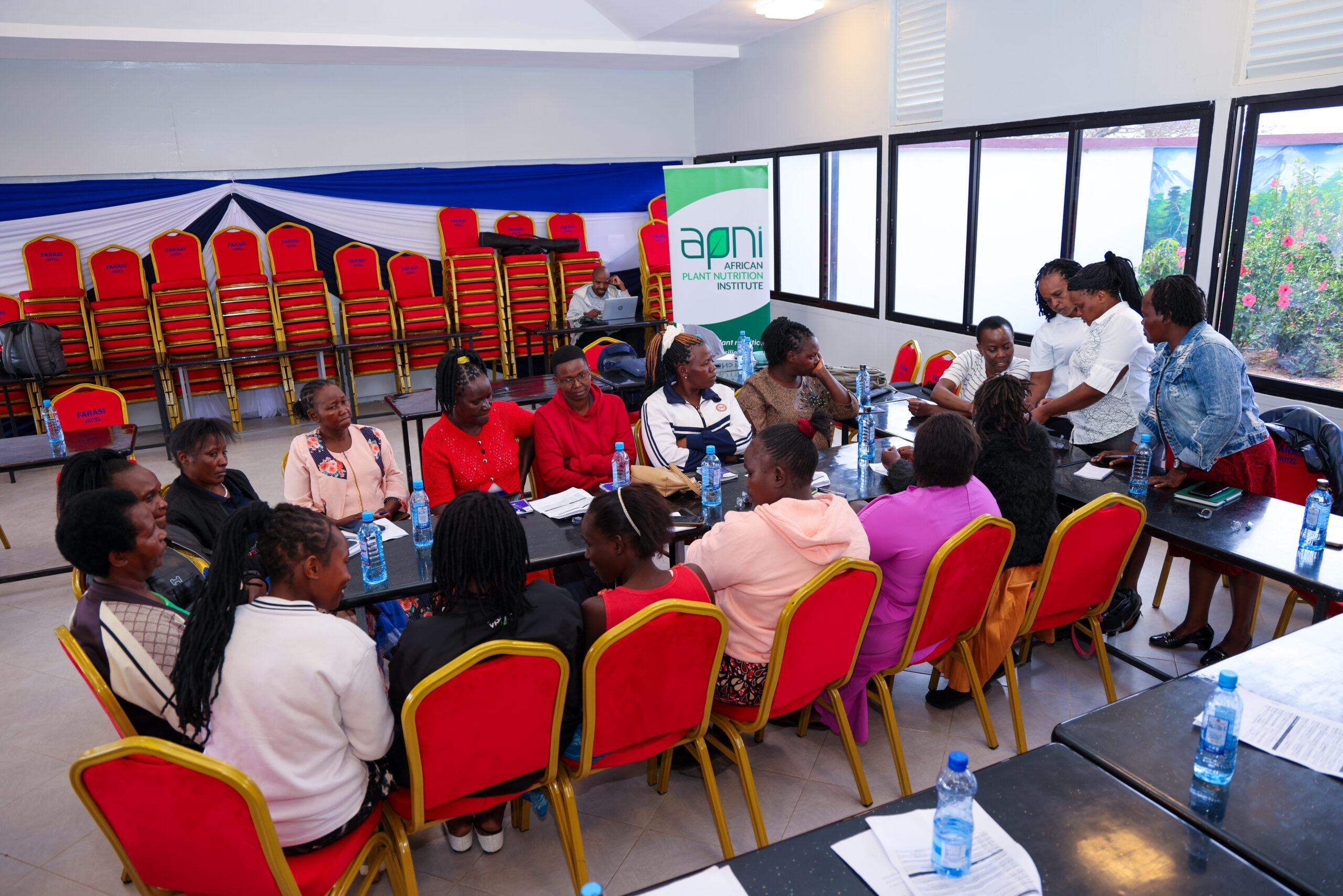 This multi-stakeholder perspective added depth to the evidence and farmer experiences emerging from the OFE plots, helping translate the lessons from the season into more practical and actionable priorities for the next cycle. This interaction is central to what OFE 2.0 is trying to achieve.
The project recognizes that agricultural transformation cannot be achieved through agronomic recommendations alone. Farmers also operate within systems shaped by markets, finance, extension, input access, institutions and other actors. The PHDs provide a platform for these different perspectives to meet around evidence generated from farmers’ own fields.
Using a Business Model Canvas approach, different stakeholder groups, including farmers, explored the value OFE could offer, the improvements it could support, the partnerships and resources required, the costs of implementation, and the channels needed to sustain engagement and information sharing.
As the dialogues moved from Western to Eastern Kenya, a common process emerged: farmers reflected on their experiments, scientists helped interpret the evidence, stakeholders brought additional opportunities and perspectives, and the conversations looked ahead to the next season.
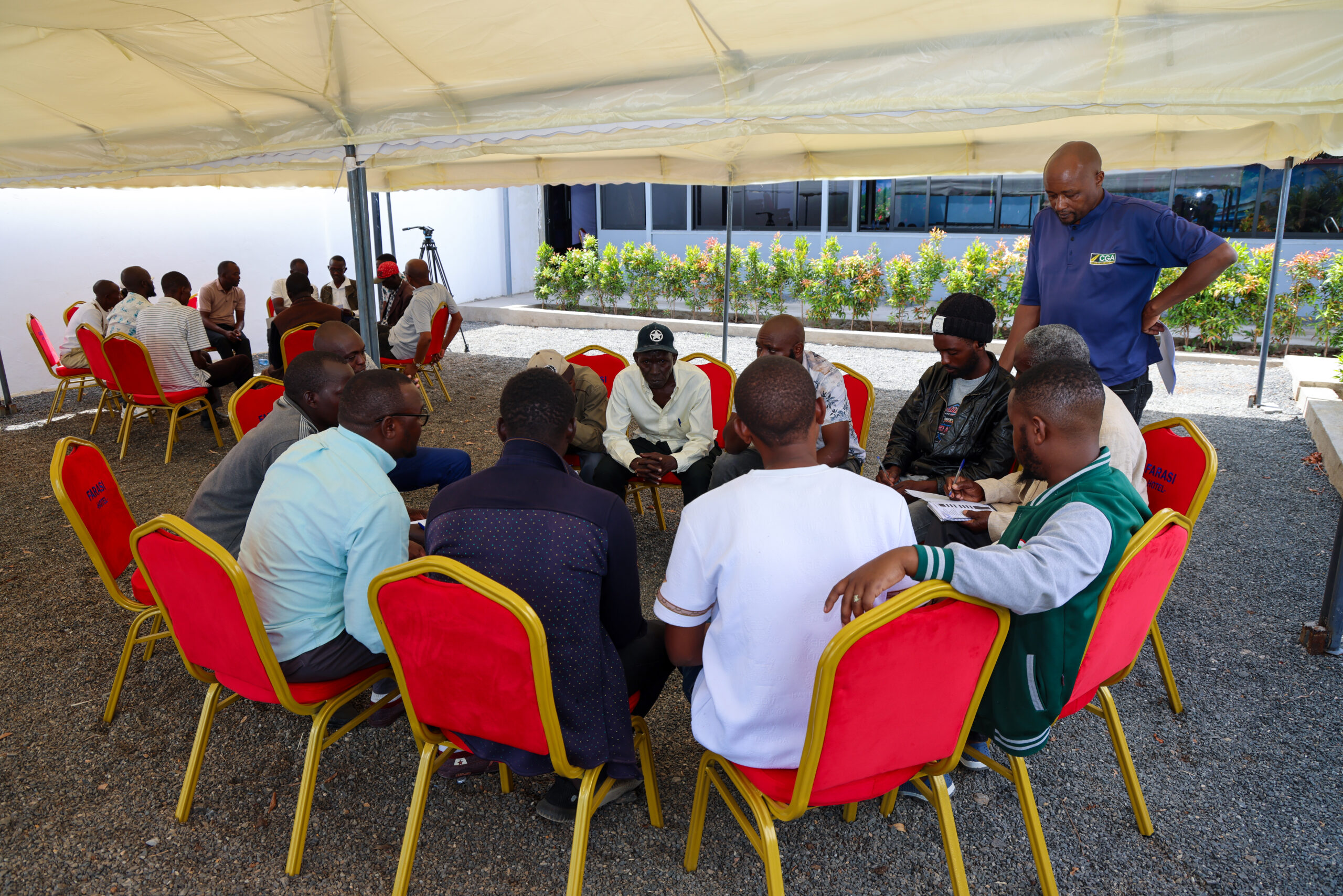 The conclusion of the PHDs in Meru and Machakos therefore marks the completion of the current round of post-harvest engagements across the five counties. It is also the point at which the knowledge generated throughout the OFE cycle is brought together – linking farmer experience, field data, scientific analysis and value chain opportunities for improving farm management.
Ultimately, the PHDs demonstrate an important principle of farmer-centred research: the end of an experiment should be the beginning of a better-informed conversation.
For OFE 2.0, that conversation is already pointing forward to improved management decisions, stronger farmer-to-market linkages, better financial and record-keeping practices, and continued collaboration between farmers, scientists and the wider agricultural innovation system. The lessons generated are also intended to contribute to the development of a self-sustaining and replicable OFE service model that can inform future applications beyond the initial maize-mixed systems pilot.
The crop may have been harvested, but the learning continues.