
RAFAD: Resilient Agriculture for African Drylands
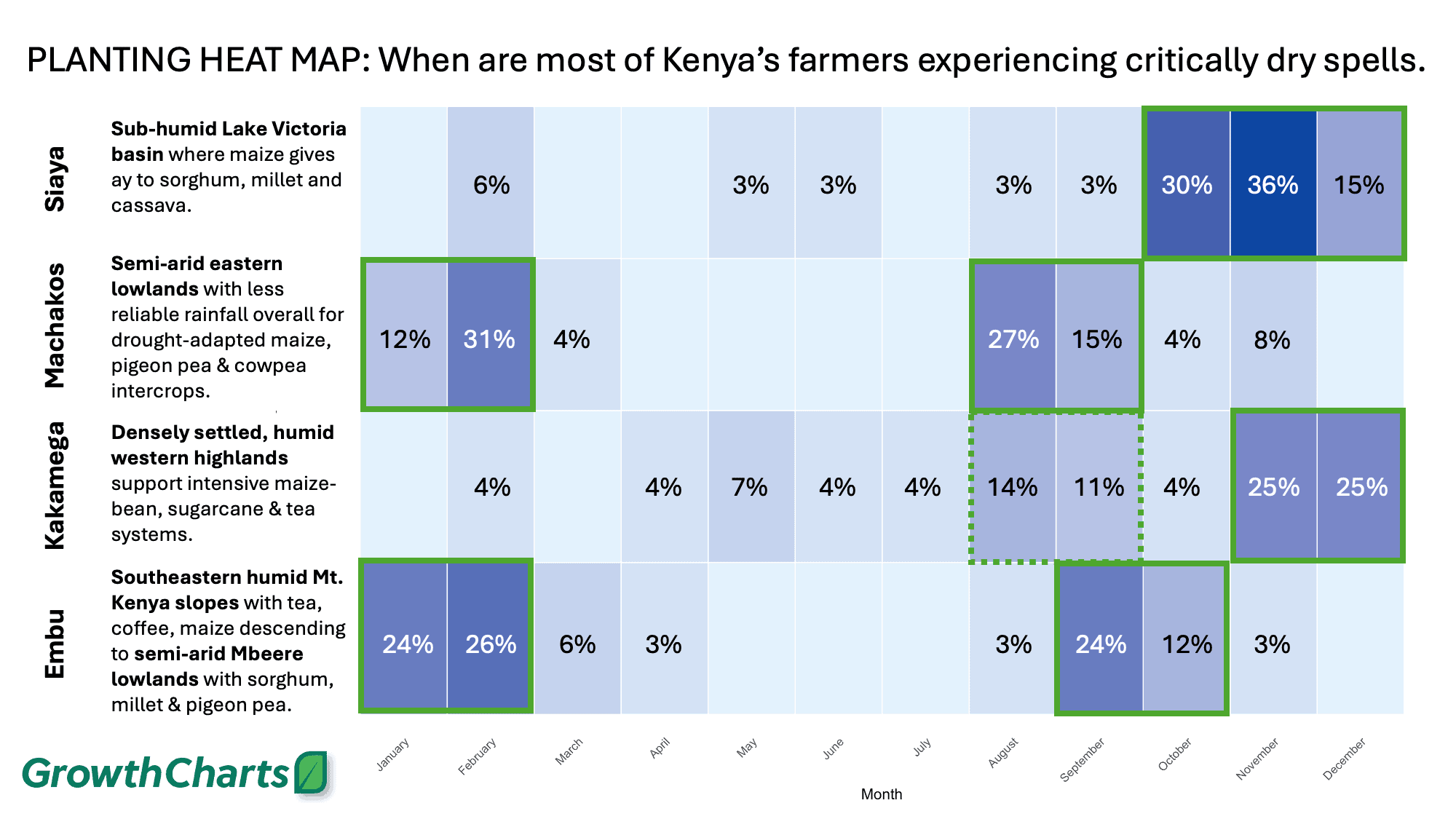
Resilience in African dryland agriculture is crucial for ensuring food security and sustainable livelihoods. Its importance stems from the unique challenges posed by the arid and semi-arid environments prevalent in Africa. African dryland regions are particularly susceptible to climate variability and change, experiencing unpredictable rainfall patterns, prolonged droughts, and increased temperatures.
Enhancing soil health is a fundamental aspect of resilience in dryland agriculture. Implementing soil conservation practices, such as reduced tillage, agroforestry, and cover cropping, helps prevent soil erosion and degradation. Healthy soils contribute to improved water retention and nutrient availability, making agriculture more robust in the face of changing climatic conditions. Access to information and training on these technologies empowers farmers to make informed decisions and manage for environmental uncertainties.
Building resilience requires the engagement of farmers in the decision-making processes, providing them with the knowledge and skills needed to adapt to changing conditions, and to foster their on-farm innovations.