
Q&A: Driving Sustainable Farming Through Legume Intensification
Contributor : Sara Lamsili, Project Communication Manager
As sub-Saharan Africa faces rising food demands, declining soil fertility, and the need for climate-smart solutions, APNI’s conceptual project on Legume-Driven Cropping Systems Intensification (LDI) for Enhanced Productivity, Nutrition and Market Access offers a robust approach. By integrating grain legumes into cereal-based farming systems, the conceptual project
aims to boost productivity, improve nutrition, strengthen market opportunities, and reduce environmental impacts. We sat down with Dr. Esther Mugi, Project Leader and Associate Scientist at APNI to learn more about the vision, challenges, and opportunities behind LDI.
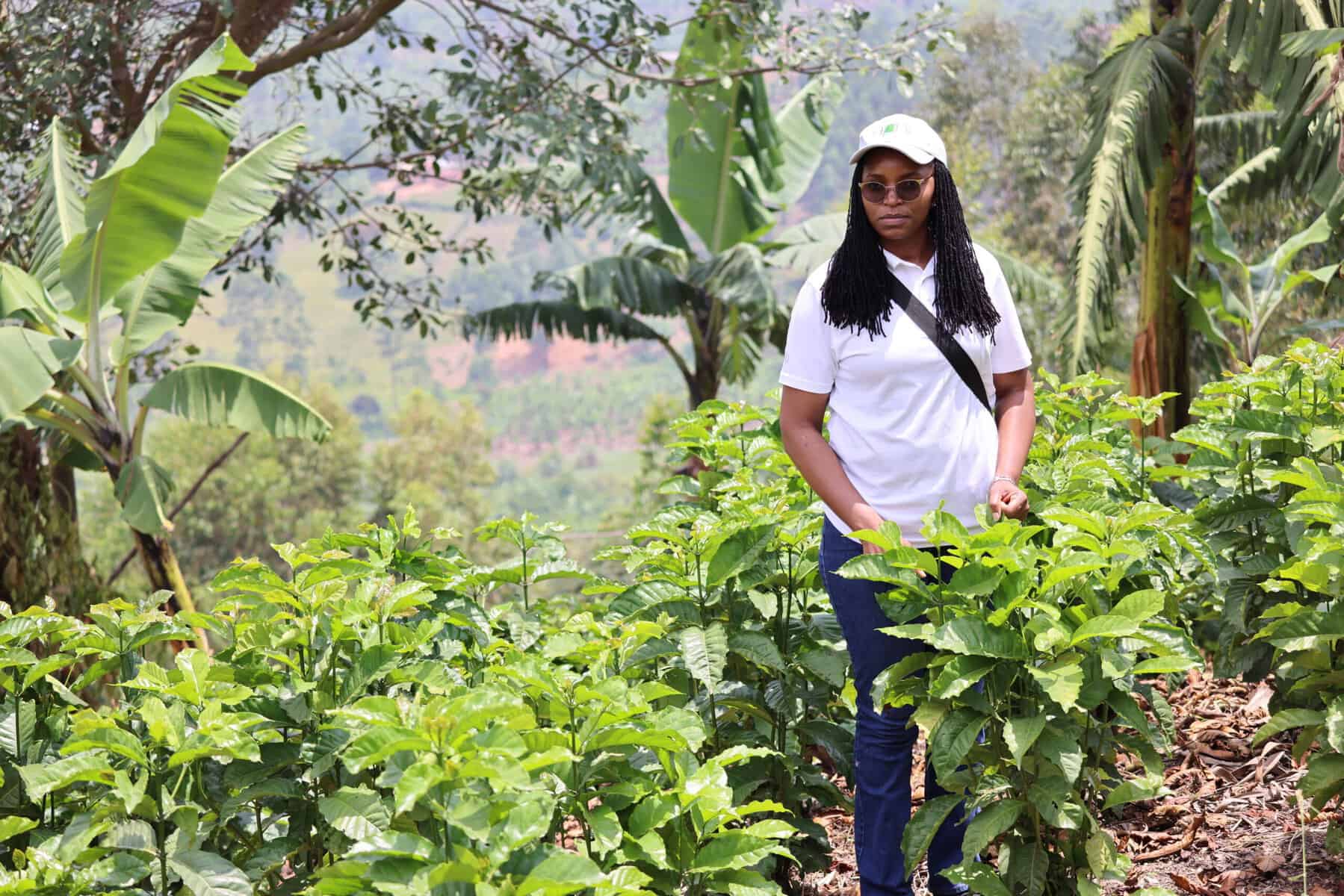
Dr. Esther Mugi, Project Leader and Associate Scientist at APNI.
Q1: Esther, what inspired this LDI project, and why is it so important for farming communities in sub-Saharan Africa right now?
The LDI project was born out of the urgent need to address declining soil fertility, low crop productivity, and the dominance of cereal-based systems that place heavy demands on nutrients while offering limited profitability. Across sub-Saharan Africa, many smallholders farmers face intertwined biophysical and socio-economic constraints, ranging from poor soil health to limited access to finance and improved inputs. By introducing grain legumes into these systems, the project provides a pathway to sustainably intensify production while improving soil fertility, household nutrition, and incomes.
It represents a shift from cereal-centric farming toward more diversified and climate-resilient systems, a crucial step for feeding Africa’s growing population and meeting the continent’s food security goals.
Q2: Legumes are at the heart of this project. Could you explain how integrating legumes into cereal-based systems improves soil fertility, crop yields, and even climate resilience?
Grain legumes provide multiple ecosystem and economic functions that make them ideal for sustainable intensification.
The inclusion of grain legumes is essential for sustaining soil fertility through biological fixation of atmospheric nitrogen (N), and N mineralized from legume residues. The residues enhance soil organic matter/soil carbon content, which improves soil structure, microbial activity, and water retention. The multiple benefits lead to improved yields of subsequent cereal crops.
Legumes help mitigate climate change by decreasing the fertilizer N requirements of subsequent crops, thereby reducing greenhouse gas emissions. Increases in soil organic matter/soil carbon content from the legumes litter fall are also highly beneficial in terms of carbon sequestration. Furthermore, integration of legumes into cereal-based systems has often been reported as an effective practice for pests, diseases and weed management. These combined effects lead to more productive, resilient, and climate-smart cropping systems, a foundation for both food and environmental security.
Q3: What are some of the main barriers farmers face when trying to adopt these cereal–legume systems, and how is LDI addressing them?
Farmers face a range of interconnected challenges: limited access to improved legume seeds, fertilizers, and finance; exposure to climate risks; pest and disease pressure; weak market linkages; and low levels of policy and institutional support. Gender dynamics also shape adoption. For example, women often dominate legume production, but men control post-harvest marketing decisions.
LDI addresses these barriers by co-creating solutions through on-farm experimentation (OFE) and the application of the 4R Nutrient Stewardship principles, ensuring that nutrient and agronomic strategies are adapted to local realities. It also builds capacity among farmers and extension agents, strengthens partner networks across five countries (Malawi, Tanzania, Kenya, Ghana, Morocco), and generates data-driven business cases to promote adoption and policy alignment.
Q4: Beyond the technical solutions, the project also talks about market access. How do you plan to link improved production to better economic opportunities for farmers?
Improving productivity is only one side of the equation; profitability and value chain viability are equally critical. The LDI project seeks to leverage legume genetic and agronomic gains to enhance the competitiveness of grain legume value chains. This involves connecting farmers with markets through improved quality standards, better post-harvest handling, and stronger partnerships with buyers and processors.
By developing business cases and cost-benefit analyses for legume-cereal systems, the LDI project aims to make a compelling economic case for investment in legume value chains, helping farmers capture more value from their produce while promoting inclusive market growth.
Q5: Based on the future success of this project, what changes would you like to see in African agriculture and rural livelihoods over the next decade?
If the project achieves its vision, we expect to see a shift toward diversified, high-performing, and climate-resilient farming systems that integrate legumes as key components. This would result in higher overall system productivity, improved soil and ecosystem health, better nutrient use efficiency, and stronger economic returns for smallholder farmers.
Ultimately, the goal is to empower farmers, both men and women, with the knowledge, resources, and market access needed to sustain productivity while improving livelihoods. A decade from now, success would be reflected in more resilient rural economies and a new generation of farmers who view legume integration into cereal-based systems as a pathway to profitable and sustainable farming.
To learn more about LDI’s objectives, click here.
To learn more about Land Capital, click here.